Packaging decisions influence far more than how a product looks. They directly affect supply chain costs, storage efficiency, customer satisfaction, and overall profitability.
Research and industry data suggest that packaging (materials + design + handling) frequently represents between 3% and 15% of a product’s total cost, and in some more packaging-intensive or high-fulfillment scenarios, packaging & related fulfillment costs can form 15–20% of the total fulfillment cost per order. Small improvements in packaging materials, design, or supply-chain coordination, therefore, can yield meaningful savings across the business and shift bottom-line profitability.
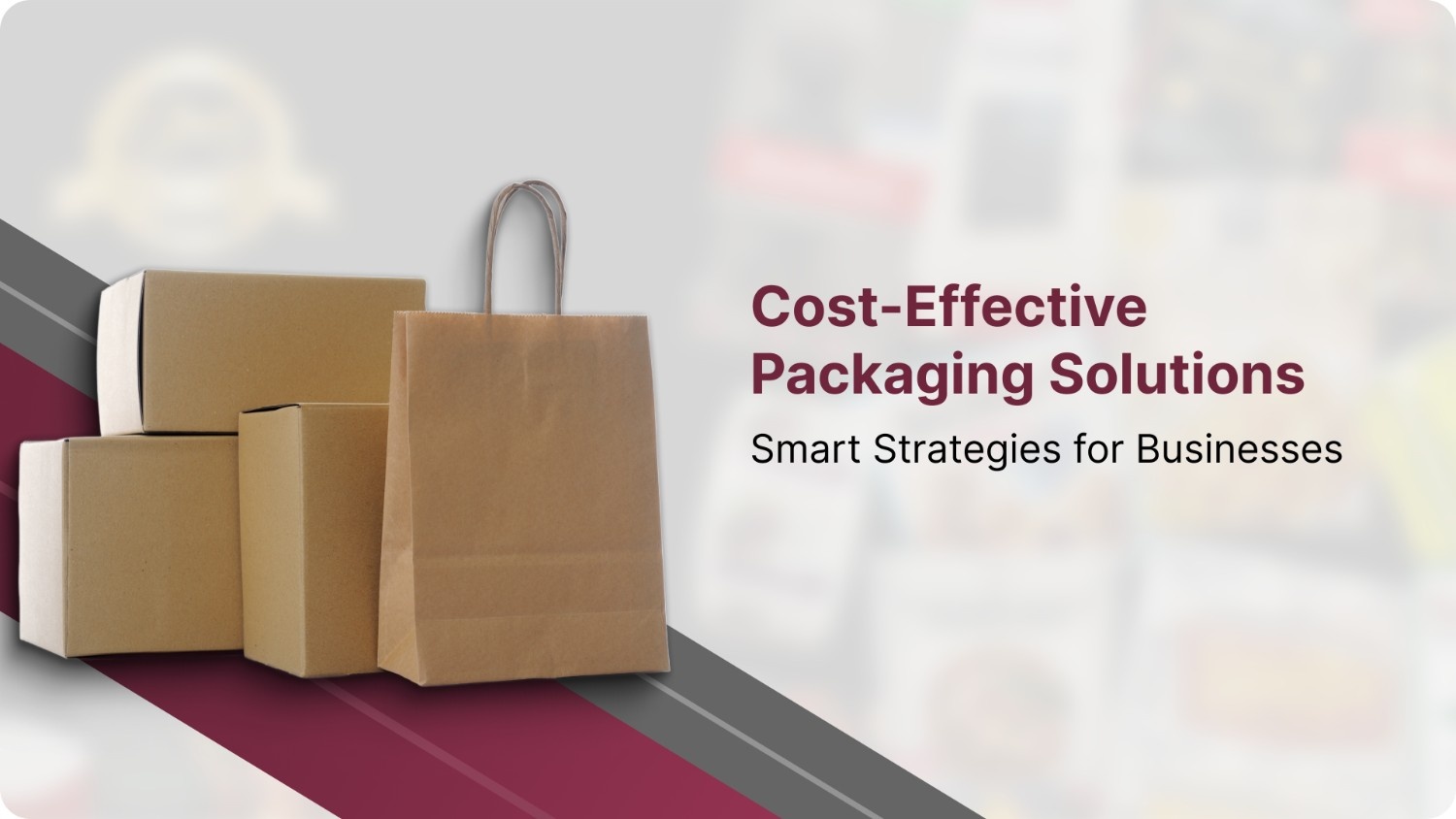
As material prices fluctuate and distribution networks become more complex, companies are looking for ways to reduce packaging expenses without affecting quality. Cost-effective packaging is not about selecting the cheapest option. It is about making informed decisions that reduce waste, streamline operations, and prevent damage.
This guide outlines practical strategies businesses can use to control costs while maintaining durability, consistency, and brand performance.
TL;DR (Key Takeaways)
Cost-effective packaging is a lifecycle decision, not a material decision. The real savings come from right-sizing, reducing freight volume, preventing damage, and improving workflow efficiency.
Vendor consolidation is one of the highest-impact, lowest-effort savings opportunities. Multiple suppliers increase hidden costs such as admin time, freight, and inconsistent quality.
Structural design fixes often save more money than material downgrades. A stronger, optimized design can reduce damage rates and prevent expensive returns.
Flat-pack and standardized components unlock major operational savings. They lower warehousing costs, improve pallet efficiency, and support predictable production planning.
Cost-effective packaging does not mean low-quality packaging. Businesses save the most when they pair the right materials with the right applications, not when they cut corners.
What Makes Packaging Truly Cost-Effective?
Cost-effective packaging is not the lowest-cost option. It is the combination of the right materials, the right structure, and the right processes that reduces total spend over time. Businesses save more when packaging prevents damage, reduces waste, speeds up production, and fits well into existing logistics systems.
More Than Just Low Material Cost
Cheaper packaging often looks cost-effective on paper but leads to higher expenses in other areas. Issues such as product damage, void-fill overuse, larger DIM weight charges, inefficient storage, and slow assembly all add to the total cost. Cost-effective packaging focuses on reducing these operational losses rather than simply cutting material quality.
The Four Components of Cost-Effectiveness
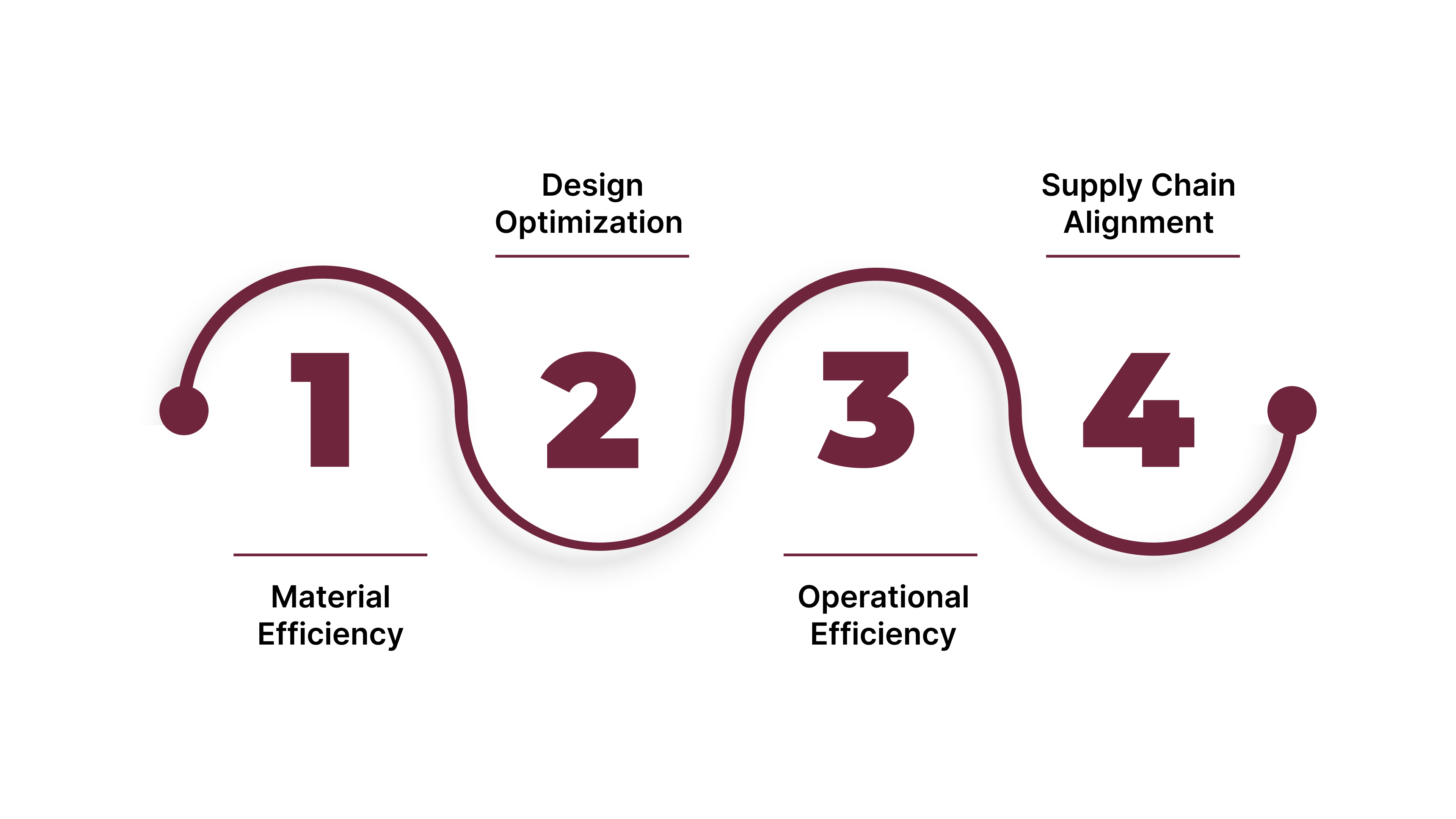
1. Material Efficiency
Selecting the correct material grade prevents overuse and ensures products are protected without unnecessary cost. The right material choice is one of the fastest ways to improve cost efficiency.
2. Design Optimization
Good design reduces waste, improves fit, and shortens packing time. Features such as easy-fold structures or custom sizing often provide measurable long-term savings.
3. Operational Efficiency
Packaging should move smoothly through production, fulfillment, and shipping. Designs that reduce manual steps or speed up assembly help lower labor and handling costs.
4. Supply Chain Alignment
Inventory planning, storage, and transportation costs are minimized when packaging is efficient in both size and structure. The right packaging reduces warehouse space, improves stacking strength, and keeps shipping volumes under control.
Proven Strategies to Reduce Packaging Costs Without Compromising Quality
There are several practical ways to reduce packaging costs while still maintaining brand standards and product protection. These strategies focus on structural efficiency, material selection, and operational improvements that create steady savings over time.
1. Optimize Box Dimensions to Reduce Material Waste
Right-sized packaging helps lower material usage, reduce void fill, and limit shipping volume. Even a small adjustment in box height or width can significantly reduce corrugated consumption and DIM weight. Businesses with a large number of SKUs often recover considerable savings by eliminating unnecessary space inside their packaging.
2. Use the Right Material for Each Product Type
Material choice influences both cost and performance. Many businesses overpay because they default to heavier or more premium materials even when a more efficient option would protect the product just as well.
Selecting the right grade of corrugated board, switching to chipboard for lighter items, or using pressure-sensitive labels instead of fully printed boxes can create measurable savings. This approach works best when material selection is guided by actual product weight, shipping conditions, and retail requirements.
3. Consolidate Vendors to Reduce Hidden Costs
Managing multiple packaging suppliers introduces hidden expenses related to administration, shipping coordination, inconsistent quality, and fragmented communication. Consolidating vendors can reduce overhead, shorten lead times, and simplify forecasting.
A single supplier who provides corrugated boxes, chipboard boxes, labels, instruction sheets, and fulfillment services can eliminate unnecessary touchpoints. This reduces rework, prevents logistics delays, and ensures consistent quality across all packaging components.
4. Simplify Printing to Lower Production Costs
Complex print designs require more ink, longer setup times, and additional finishing steps. Small adjustments to artwork or printing methods can significantly reduce cost without affecting brand impact.
Examples include:
Reducing color count when possible
Using strategic print zones instead of full coverage
Choosing digital printing for small or frequently changing batches
Switching to more efficient coatings or finishes
A balanced approach helps maintain a professional appearance while lowering production effort and cost.
5. Standardize Packaging Components Across SKUs
Many businesses use slightly different box sizes or label designs for products that could fit a shared structure. Standardization reduces material variation, speeds up production, and creates opportunities for volume-based pricing.
This works especially well for companies with multiple product lines. By identifying common dimensions or materials across SKUs, businesses can simplify procurement and reduce total packaging spend.
6. Switch to Flat-Pack Designs to Reduce Storage and Transport Costs
Flat-pack designs help businesses cut costs related to storage, internal handling, and transportation. By shipping boxes, displays, or inserts in a collapsed form, companies reduce warehouse footprint and simplify movement through the production floor. Retail displays, chipboard packaging, POP units, and certain corrugated formats are especially suitable for flat packing.
This approach also improves pallet efficiency and reduces freight spending. For multi-location operations or businesses with fluctuating order volumes, flat-pack designs provide consistency and reduce unnecessary inventory pressure.
7. Use Smart Inventory and Bulk Ordering Strategies
Packaging costs are often affected by how materials are purchased and stocked. Businesses that order in small batches generally pay more per unit and face higher freight or handling charges. Bulk ordering lowers the cost per unit and creates more predictable inventory cycles.
The most effective approach pairs bulk purchasing with coordinated inventory management. When a supplier can support warehousing or distribution needs, companies reduce the risk of stockouts, rush fees, and last-minute expedites. This is particularly helpful for brands with steady reorder patterns or seasonal spikes.
8. Reduce Damage Rates Through Stronger Structural Design
Product damage is one of the most overlooked contributors to packaging cost. Returns, replacements, and the associated logistics all increase expenses. Strengthening structural design can reduce these losses significantly.
This may involve adjusting corrugated strength, improving inserts, adding reinforcement in specific areas, or refining the fit of packaging. Small structural improvements often prevent repeated damage events, which results in long-term savings across shipping and distribution.
Cost-Effective Packaging Materials to Consider
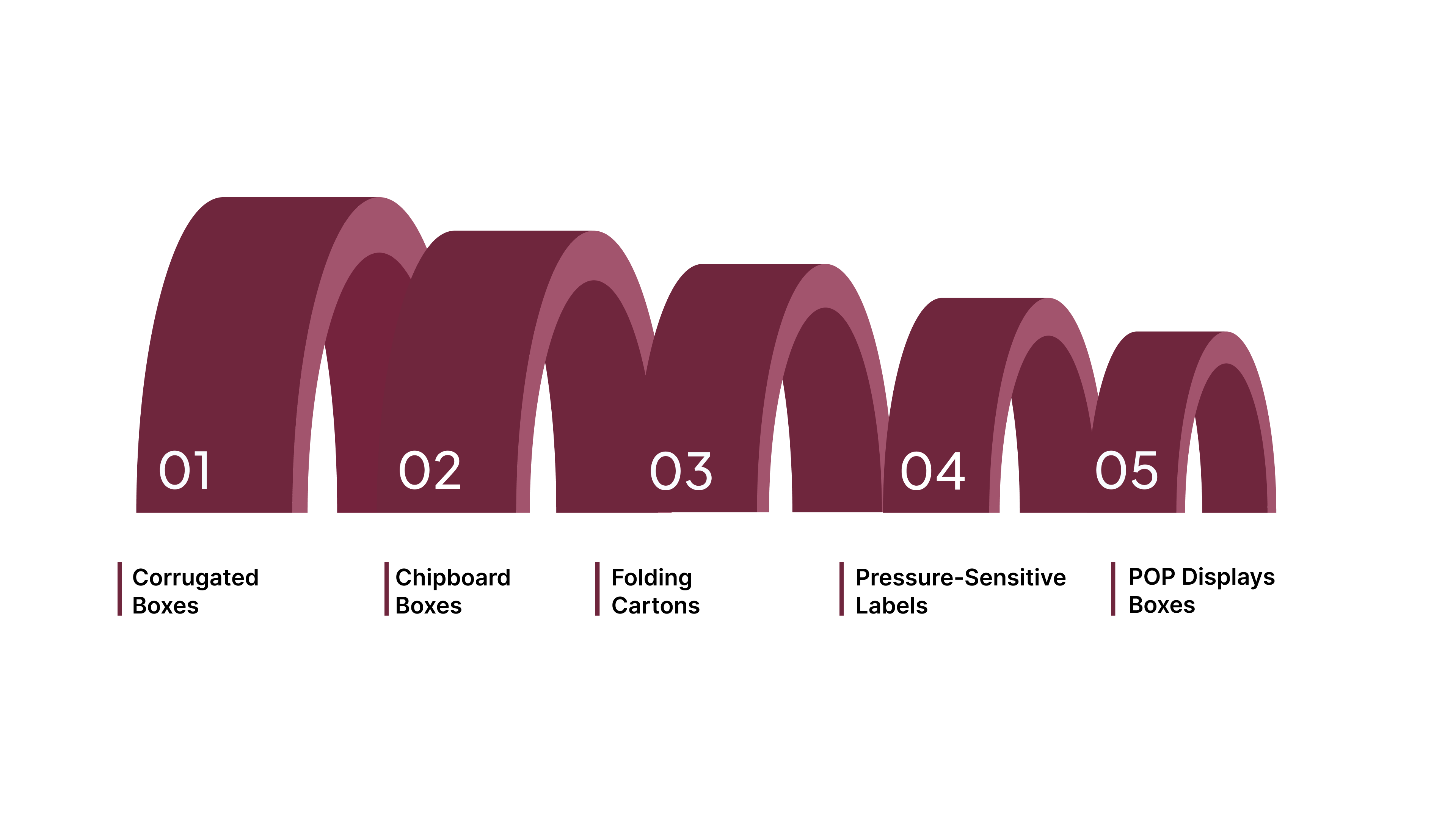
Choosing the right material is a major factor in cost control. Businesses often overspend by defaulting to premium materials or designs that exceed the practical needs of the product. The materials below offer a balance of affordability, performance, and versatility, making them well-suited for a wide range of applications.
1. Corrugated Boxes
Corrugated boxes are one of the most cost-efficient packaging choices for shipping, warehousing, and retail distribution. They provide dependable strength, work well across industries, and allow a wide range of custom sizes and print options. Their durability reduces product damage, and the lightweight structure keeps shipping costs manageable.
2. Chipboard Boxes
Chipboard is an economical choice for lightweight products, retail items, or secondary packaging. It offers a clean look, supports precise printing, and works well for sleeves, trays, kits, and small goods. It is also space-efficient, which helps reduce storage and freight costs.
3. Folding Cartons
Folding cartons are suitable for high-volume consumer products where consistency, presentation, and unit economics matter. When produced at scale, they become one of the most cost-effective solutions for retail-ready packaging. Their compact storage and simple assembly support efficient production and fulfillment operations.
4. Pressure-Sensitive Labels
Pressure-sensitive labels are an efficient alternative to fully printed boxes, especially when designs change frequently. They are cost-effective for small to mid-sized batches, quick to apply, and suitable for a variety of surfaces. This makes them practical for brands with diverse product lines or evolving marketing needs.
5. POP Displays and Single-Face Laminate Boxes
Retail environments rely on displays that are visually appealing but economical to produce. POP displays and single-face laminate boxes offer a good balance of cost and customization. They ship flat, assemble quickly, and allow brands to create a strong visual impact without committing to high structural cost.
How to Choose the Right Packaging Partner to Keep Costs Low
Selecting the right packaging partner plays a major role in overall cost efficiency. A capable supplier does more than manufacture boxes. They help reduce operational friction, improve quality consistency, and prevent the hidden expenses that come from delays, rework, and poor communication. The criteria below highlight what businesses should evaluate when comparing packaging partners.
1. Look for End-to-End Capabilities
A supplier with integrated services can reduce the number of handoffs throughout the packaging lifecycle. This creates efficiency in design, production, and logistics. End-to-end capabilities may include design support, prepress, printing, die cutting, bindery, fulfillment, and delivery. Fewer handoffs lead to better coordination and lower operating costs.
2. Evaluate Material and Design Expertise
Experienced packaging manufacturers are able to optimize structural strength, reduce unnecessary materials, and recommend the correct grade for each product. Expertise leads to better decisions around box style, label type, die line structure, and print method. This prevents avoidable costs and ensures packaging performs well throughout distribution.
3. Prioritize Communication and Responsiveness
Packaging delays can affect production schedules, customer shipments, and retail commitments. A partner who communicates clearly and responds quickly helps businesses avoid rush fees, last-minute substitutions, and waste related to misaligned expectations. Strong communication often translates to fewer errors and more predictable operations.
4. Consider Long-Term Partnership Value
Long-term supplier relationships can reduce cost volatility and increase consistency. With repeated orders, a supplier gains familiarity with product requirements, timelines, and ordering patterns. This makes forecasting easier and allows the supplier to optimize production for better unit pricing. Businesses benefit from stability, predictability, and reduced administrative overhead.
Real-World Examples of Cost Savings
Cost-effective packaging decisions create measurable impact across materials, manufacturing, and logistics. While results vary by industry and product, the scenarios below illustrate how strategic adjustments can lead to meaningful savings.
Scenario 1: Right-Sized Packaging Reduces Material and Freight Costs
A company shipping fragile goods reduced the size of its cartons to fit the product more closely. This led to lower corrugated material usage, reduced void fill, and lower dimensional weight fees. The combined savings added up significantly across high-volume shipments.
Scenario 2: Switching to Pressure-Sensitive Labels Simplifies Production
A brand with frequent design updates moved from fully printed boxes to a simpler box structure paired with pressure-sensitive labels. This reduced printing complexity, shortened turnaround time, and lowered overall production cost for small to mid-sized batches.
Scenario 3: Consolidation Creates Administrative and Logistics Savings
A business that previously used separate vendors for boxes, labels, and printed instructions consolidated everything under one supplier. This eliminated multiple delivery schedules, reduced PO management, and improved quality consistency. The combined effect lowered indirect costs and simplified operations.
Final Checklist: What Makes Packaging Truly Cost-Effective?
Cost-effective packaging is the result of consistent, informed decisions across design, materials, and operations. The checklist below summarizes the most important considerations:
Packaging that fits the product accurately
Material grades selected for strength and efficiency
Simplified and practical print design
Standardization across product lines
Flat-pack structures, when possible
Smart inventory and bulk order planning
Strong structural protection to reduce damage
Vendor consolidation to reduce overhead
Long-term partnerships that improve supply predictability
Why GMS Industries Is a Reliable Partner for Cost-Effective Packaging
Cost-effective packaging depends on the right balance of materials, design, production efficiency, and supplier consistency. GMS Industries supports all of these areas through its integrated capabilities and long-standing experience. The company’s approach is built around helping businesses reduce packaging costs without compromising quality, communication, or brand requirements.
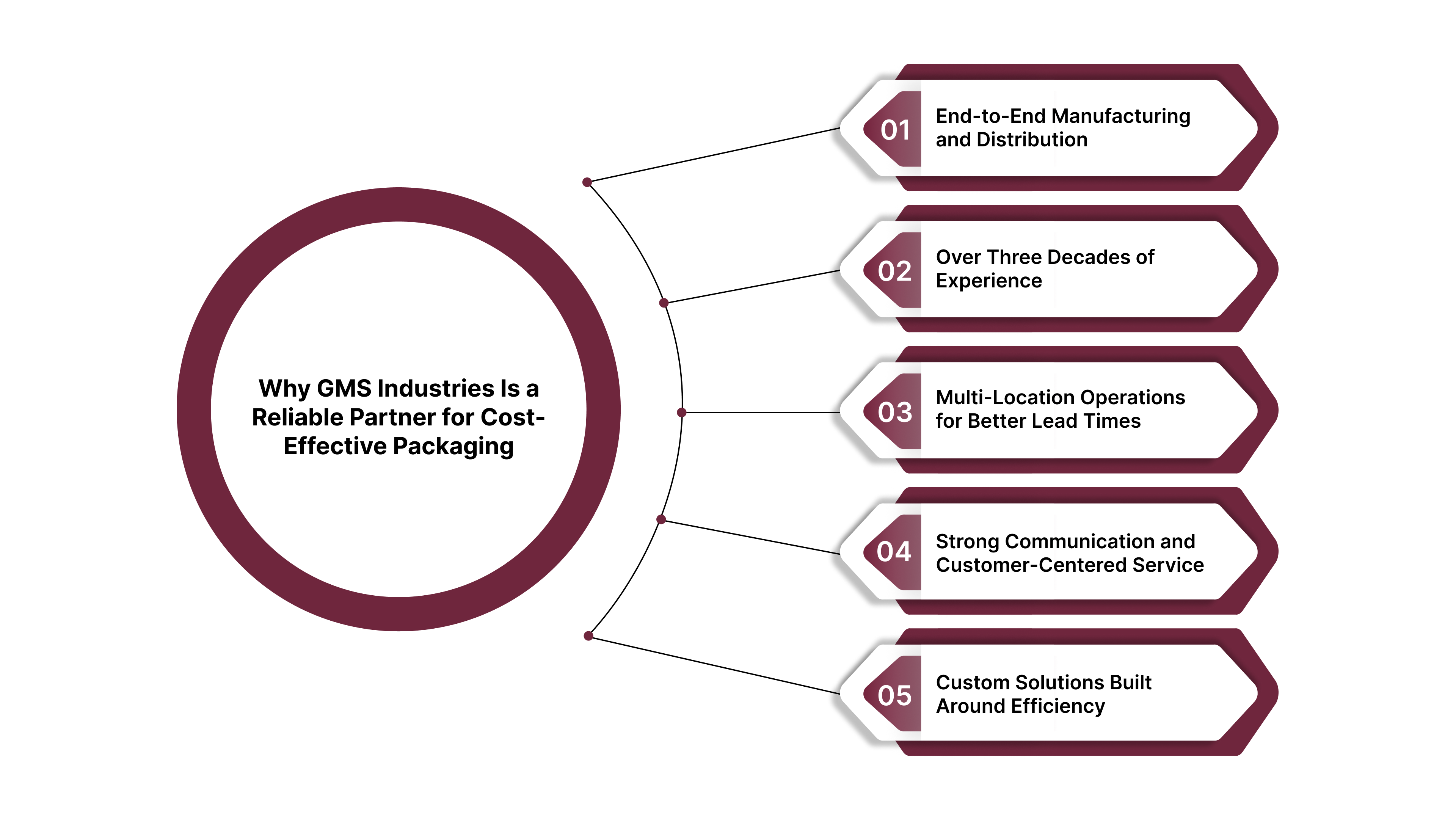
End-to-End Manufacturing and Distribution
GMS Industries manages multiple steps of the packaging process, including corrugated box production, chipboard boxes, folding cartons, pressure-sensitive labels, POP displays, and fulfillment support. This reduces the need for multiple vendors and lowers the hidden costs associated with fragmented supply chains. Their role as both a manufacturer and a warehouse distributor also offers flexibility for businesses with varied packaging needs.
Over Three Decades of Experience
Since 1989, the company has worked with businesses across industries and product categories. This experience allows them to recommend efficient materials, optimize structural designs, and help clients avoid unnecessary expenses. Their long-term client relationships, some spanning more than 30 years, demonstrate consistent value and reliability.
Multi-Location Operations for Better Lead Times
With facilities in California, Texas, and Mexicali, GMS supports faster delivery, better regional coverage, and improved responsiveness. This geographic footprint helps clients reduce storage, minimize delays, and maintain predictable production schedules.
Strong Communication and Customer-Centered Service
Testimonials consistently highlight communication as one of GMS’s strongest advantages. Clear updates, fast responses, and collaborative planning reduce the risk of reprints, late deliveries, and supply delays. These improvements translate into lower operational costs and fewer disruptions.
Custom Solutions Built Around Efficiency
GMS offers a wide range of custom packaging options that allow businesses to right-size boxes, adjust materials, and streamline packaging lines. Clients can choose from corrugated, chipboard, folding cartons, labels, rigid boxes, and more, all supported by in-house prepress, design, die-cutting, and finishing capabilities.
Conclusion
Cost-effective packaging is the result of thoughtful decisions across design, materials, operations, and supplier partnerships. When businesses focus on right-sizing, material optimization, efficient printing, supply chain alignment, and consistent communication, packaging becomes an area where significant savings are possible. These improvements strengthen margins, reduce waste, and help companies operate with greater predictability.
Working with a partner who understands both cost efficiency and long-term reliability can make a meaningful difference. GMS Industries combines manufacturing expertise, multi-location operations, and a customer-first approach to help businesses reduce packaging costs while maintaining high standards of quality and service.
If you are exploring ways to improve packaging efficiency or reduce your current packaging spend, GMS Industries can support you with custom, cost-effective solutions tailored to your needs. Contact us Today!
FAQs
1. What is the most cost-effective type of packaging?
There is no single material that is always the cheapest. Corrugated boxes, chipboard, and folding cartons are typically the most cost-effective for most products because they balance protection, printability, and storage efficiency. The most cost-effective option depends on product weight, shipping distance, and inventory needs.
2. How can businesses reduce packaging costs without lowering quality?
The most reliable methods include right-sizing boxes, simplifying print design, consolidating vendors, using flat-pack components, and selecting materials that match the product’s true requirements. Improving structural integrity also reduces product damage, which is a major hidden cost.
3. Why does oversized packaging increase cost?
Oversized boxes require more material, more void-fill, more warehouse space, and higher shipping fees due to dimensional weight. Smaller, right-sized packaging reduces both material usage and freight cost.
4. Is custom packaging more expensive than standard packaging?
Not always. Custom packaging can reduce material waste, improve pallet density, prevent damage, and simplify assembly. Over time, these efficiencies can make custom packaging more cost-effective than generic stock sizes.
5. What is vendor consolidation in packaging, and why does it save money?
Vendor consolidation means sourcing multiple packaging components from one supplier. It reduces administrative overhead, freight charges, lead-time issues, and quality inconsistencies. It also allows businesses to negotiate better pricing based on volume and relationship history.