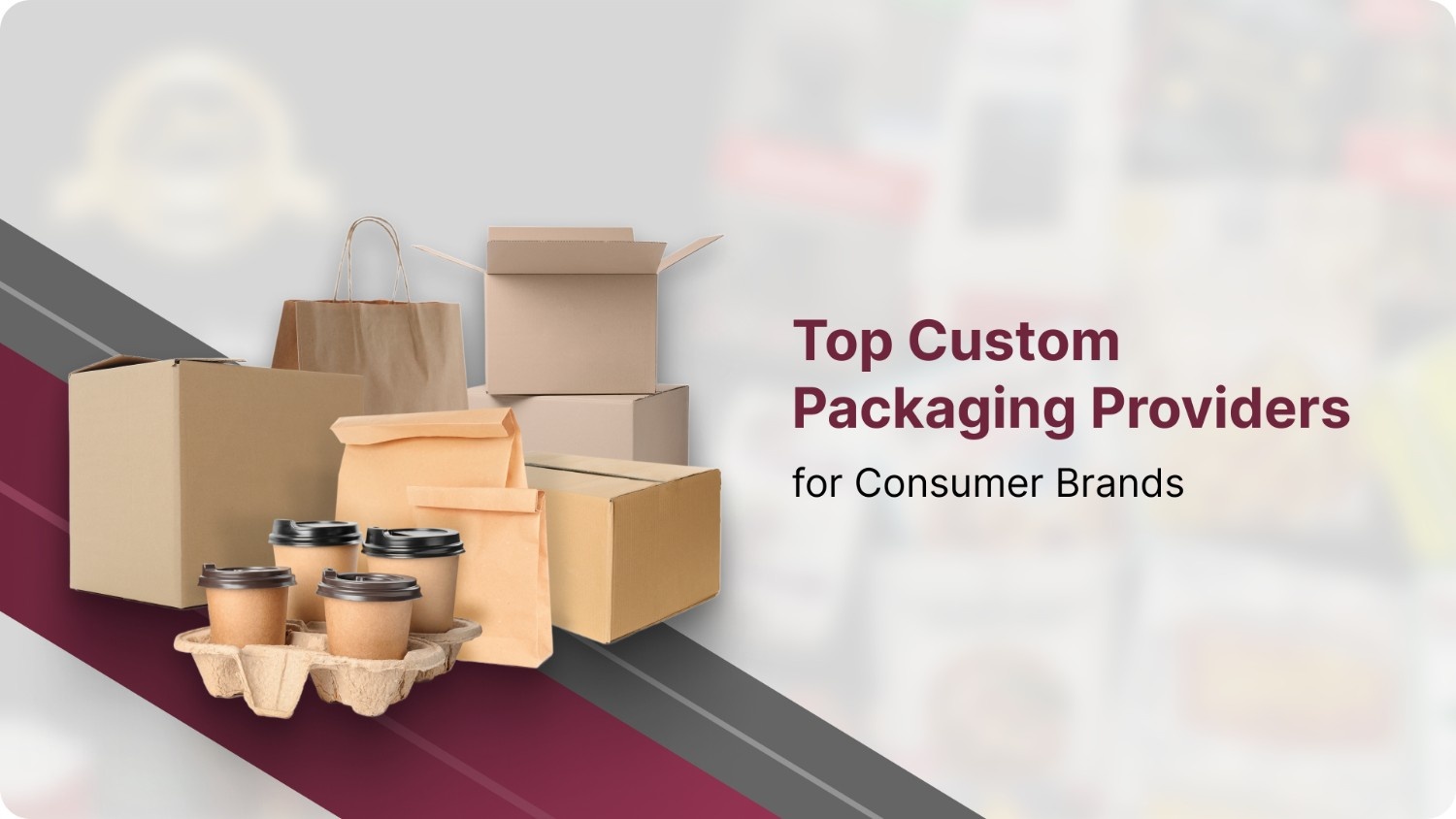
You already know packaging is not just a box or label, because it directly influences whether shoppers pick your product off the shelf. Surveys show that about 7 in 10 American consumers say packaging impacts their buying decisions.
As a brand or procurement leader, you carry the responsibility of getting this decision right. Choosing the wrong provider can mean missed deadlines, inconsistent quality, and lost shelf visibility that impacts both trust and revenue. You may find it challenging to secure partners who can handle your volumes while still protecting your product and reinforcing your brand identity across retail channels.
In this blog, we’ll discuss how packaging impacts purchasing behavior, key criteria for evaluating custom packaging providers, top vendors for consumer brands, and a checklist to aid your selection process.
Key Takeaways:
Packaging partner selection directly affects delivery reliability, product protection, and how brands perform on retail shelves.
Full-service providers offer greater control for brands managing multiple SKUs and recurring production programs across regions.
Digital packaging platforms work best for early-stage brands testing designs through low-volume production runs.
Large industrial manufacturers suit brands needing extremely high volumes with standardized packaging formats.
Procurement teams should prioritize supply stability, production capacity, and long-term partnership fit over short-term pricing.
6 Leading Custom Packaging Providers for Consumer Brands
Consumer brands choose packaging partners based on production scale, design involvement, and supply chain complexity across retail and ecommerce channels. The right provider influences cost control, delivery reliability, and consistent brand presentation across multiple product lines and distribution regions.
Here are the primary service models consumer brands evaluate when selecting custom packaging partners:
Full-Service Design and Logistics Partners
These providers support brands requiring structural packaging design, advanced printing workflows, and coordinated distribution across multiple warehouse locations. They manage the entire packaging lifecycle, from early design collaboration through delivery at regional fulfillment centers.
Here are the leading companies offering full-service packaging and logistics support:
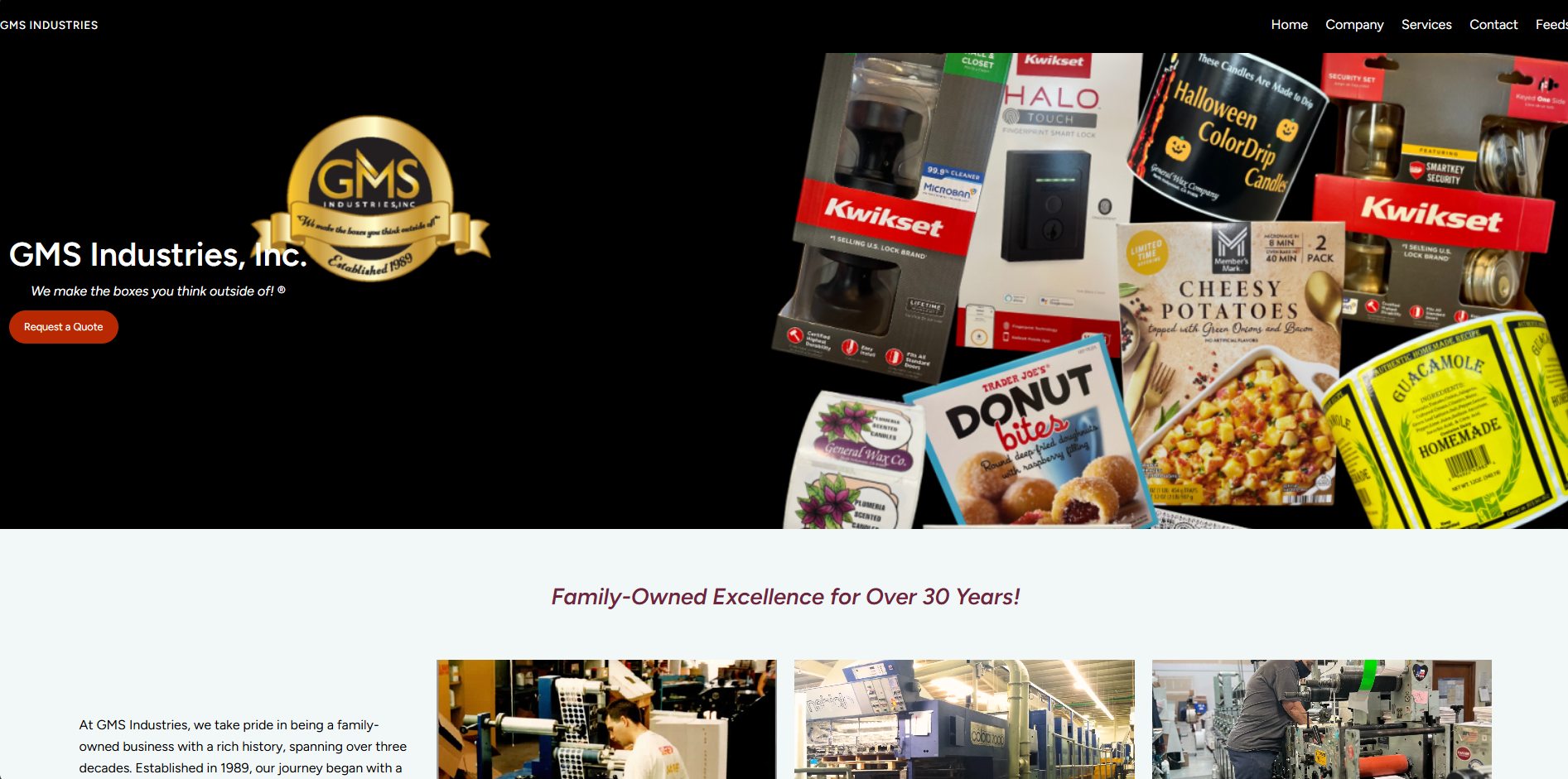
GMS Industries is a family-owned packaging manufacturer serving consumer brands with folding cartons, rigid boxes, printed labels, and corrugated packaging. The company’s facilities in California, Texas, and Mexico support customized production and North American distribution planning.
Key capabilities and strengths:
Comprehensive service coverage: Provides prepress, in-house printing, warehousing, fulfillment, and logistics coordination under one partnership model.
Multi-SKU program support: Works with brands managing complex product portfolios and recurring production cycles with consistent quality standards.
Nearshore manufacturing footprint: Operates production facilities in both the United States and Mexico to support cross-border supply strategies.
Inventory solutions: Offers warehousing services to support inventory for seasonal promotions and retail rollouts.
Production coordination: Aligns manufacturing schedules with procurement needs and retail launch timelines.
Vendor consolidation: Helps brands reduce vendor count by acting as a single, accountable packaging partner.
Connect with GMS Industries to learn how their U.S. and Mexico facilities support predictable packaging supply for growing brands.
PakFactory
sourcelink
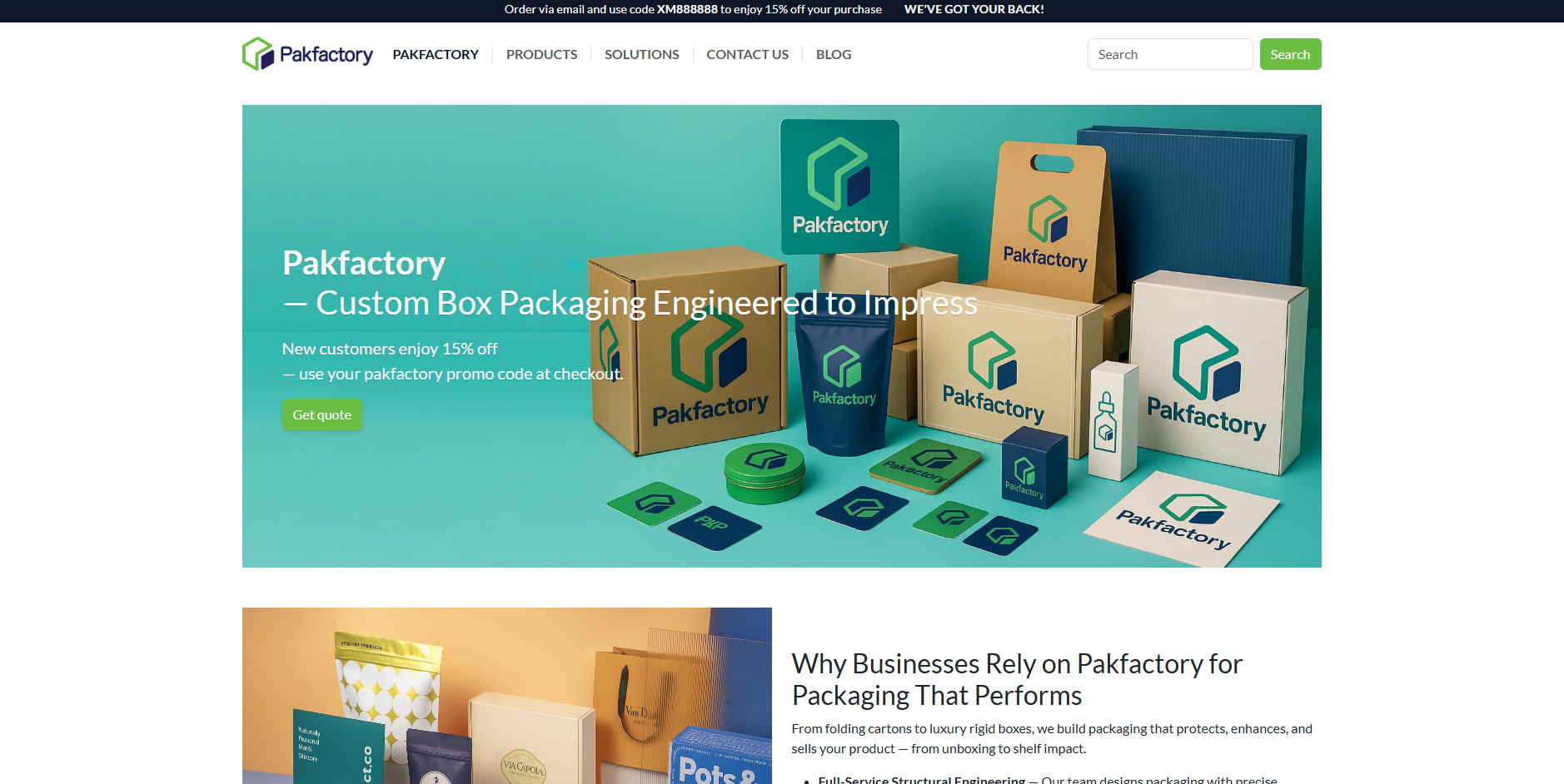
PakFactory supports custom retail packaging and protective shipping supplies through a global manufacturing network that spans multiple regions. Their service model supports brands seeking flexible production capacity without managing multiple vendors.
Key capabilities and strengths:
Global production access: Provides manufacturing options in several regions to balance cost and lead time requirements.
Physical sampling services: Offers prototypes that allow internal teams to inspect packaging before approving full production.
Multi-channel packaging: Serves ecommerce, retail, and subscription programs with consistent print and structural quality.
Digital Platforms for Standardized Packaging
These platforms serve brands needing basic branded packaging with simple design requirements and lower production volumes. Their online tools allow teams to configure box sizes and artwork without extended design collaboration.
Here are commonly used digital packaging platforms for early-stage brands:
Packlane
sourcelink
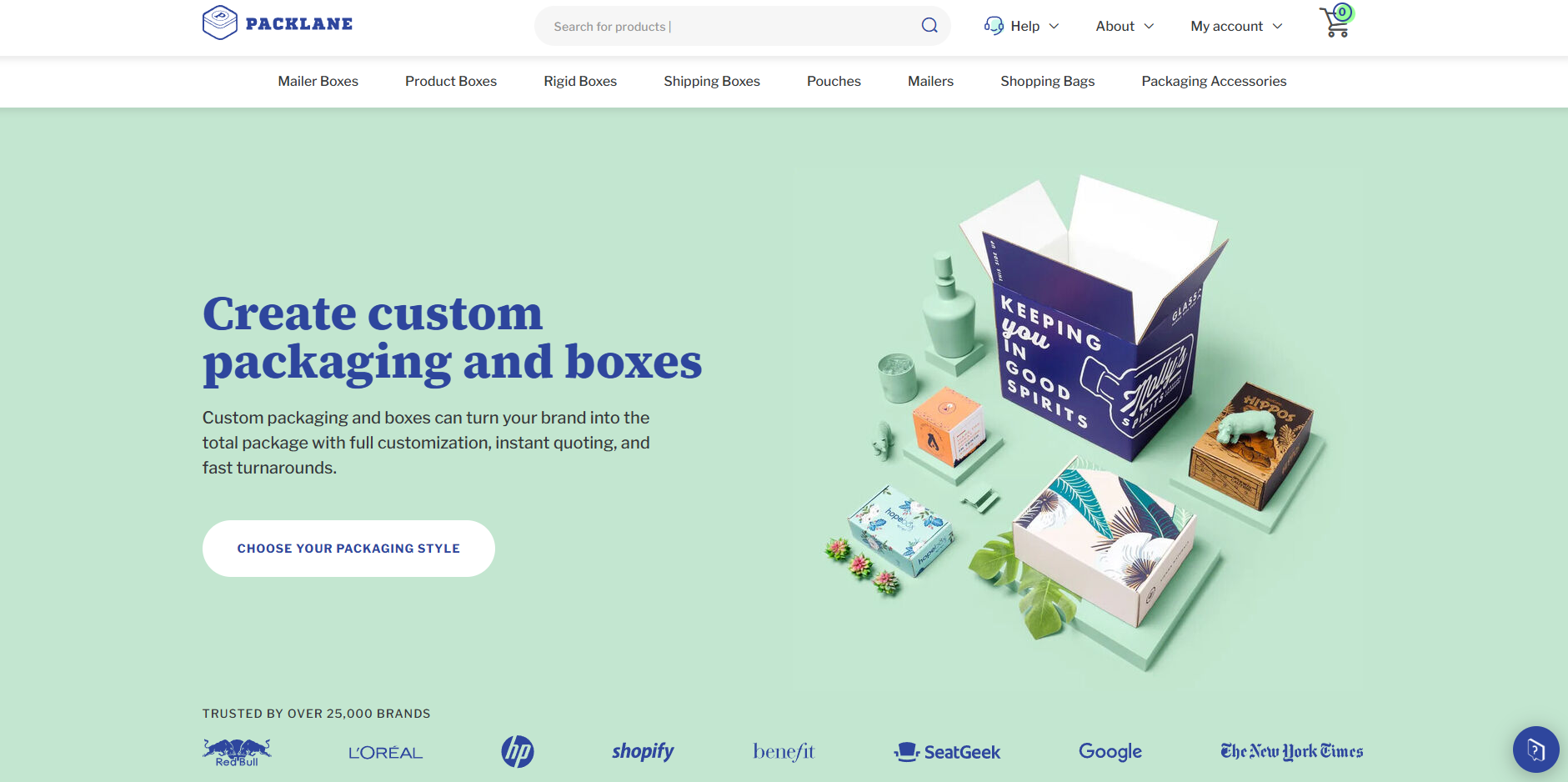
Packlane offers an online design platform for creating custom mailer boxes and shipping cartons. The interface supports straightforward artwork uploads and quick visual previews.
Key capabilities and strengths:
Browser-based design tools: Enable teams to upload artwork and view packaging layouts in real time.
Low order volumes: Supports small batch production for pilot or seasonal campaigns.
Rapid reorder options: Make it quick to place repeat orders once packaging concepts are approved.
Arka
sourcelink
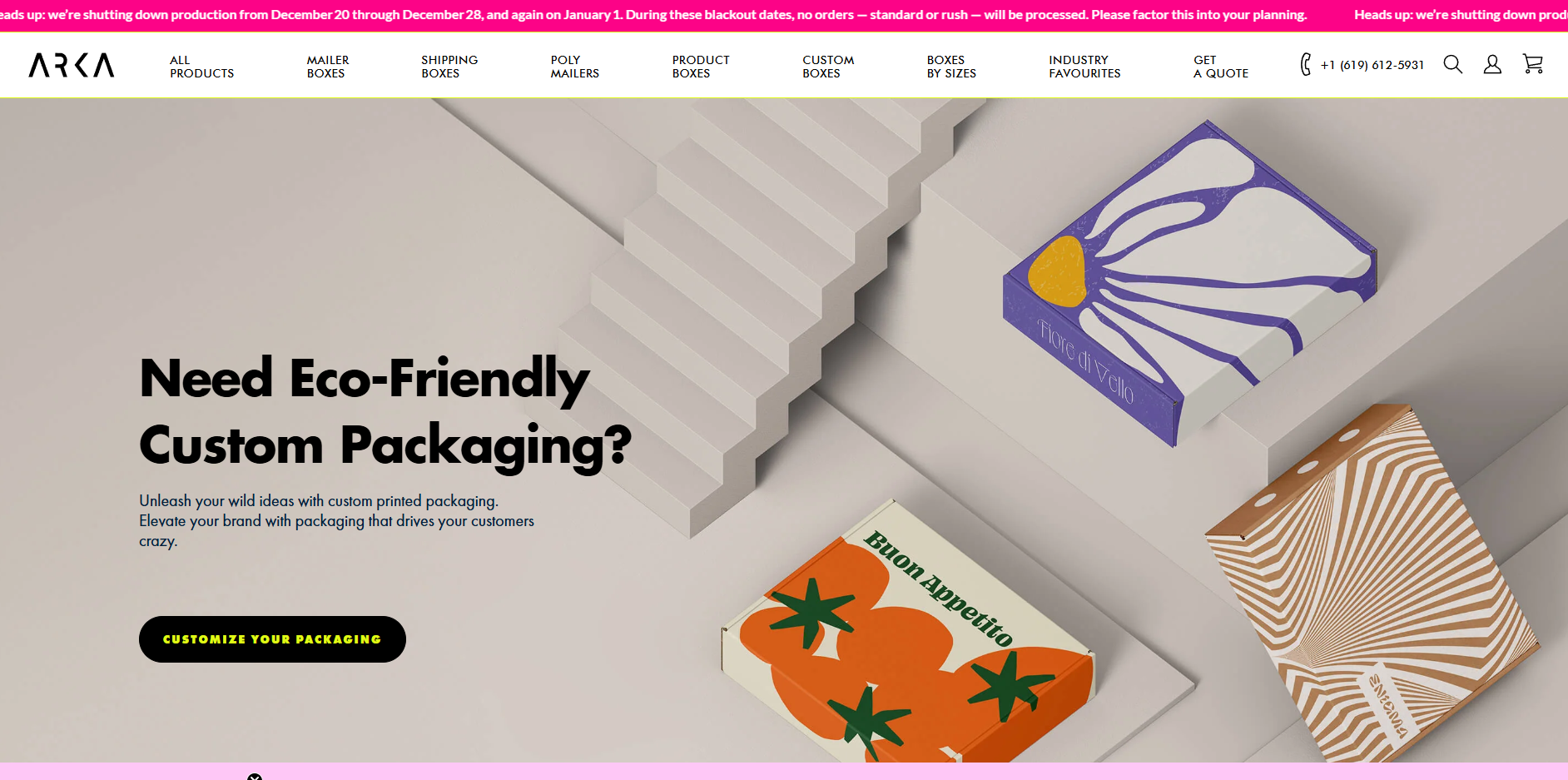
Arka supplies custom-printed mailers and boxes with an emphasis on recyclable materials and simple design options. Their model works well for small retailers or emerging brands.
Key capabilities and strengths:
Eco-focused packaging: Offers recyclable box and mailer options suited to sustainability priorities.
Small batch production: Serves businesses with limited storage and budget considerations.
Accelerated production cycles: Supports brands requiring short lead times for market tests or limited editions.
Industrial Scale Commodity Manufacturers
These organizations focus on high-volume production of standardized corrugated and paper-based containers for global distribution networks. Their clients typically include large retailers requiring millions of units across multiple regions.
Here are major industrial packaging manufacturers serving global markets:
International Paper
sourcelink
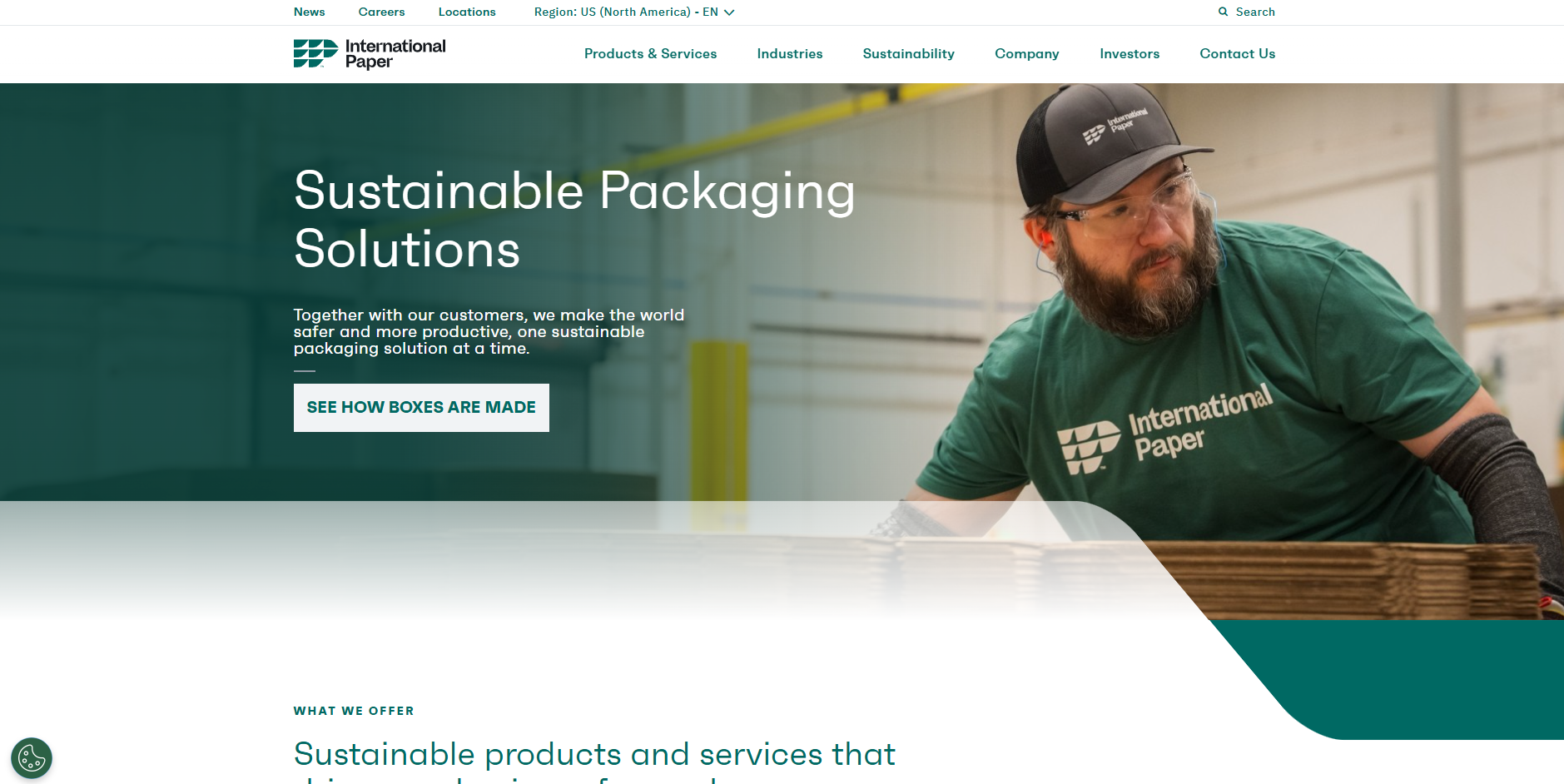
International Paper manufactures large volumes of paper-based containers for industrial shipping and retail distribution networks across multiple continents.
Key capabilities and strengths:
High-volume production: Supports large packaging programs that require continuous output at scale.
Global operations: Maintains production plants across multiple regions to support supply chains.
Long-term supply contracts: Works with multinational retailers on extended production agreements.
Smurfit WestRock
sourcelink
Smurfit WestRock, the combined entity following the 2024 merger between WestRock and Smurfit Kappa, serves major consumer brands with paper and container solutions on a global scale.
Key capabilities and strengths:
Retail packaging focus: Supplies folding cartons and corrugated solutions for major brands across product categories.
Large-scale runs: Supports national and multinational distribution programs with consistent production volumes.
Brand print continuity: Offers printing services designed to maintain consistent branding across high-volume packaging orders.
To avoid costly mistakes, you should apply a structured evaluation approach when comparing these providers.
How to Select the Right Custom Packaging Provider
Selecting a packaging provider affects supply reliability, cost control, and how well your products reach retail shelves on schedule. Procurement teams should evaluate partners based on operational outcomes rather than short-term pricing or convenience factors.
Here are the most important evaluation criteria for U.S. consumer brands sourcing custom packaging.
Vendor versus partner approach: Assess whether the provider supports long-term planning or only handles one-off purchase orders.
Production capacity: Confirm the supplier can support current volumes while accommodating forecasted growth across multiple SKUs.
Lead time stability: Review historical delivery performance during peak retail seasons and promotional demand cycles.
U.S. logistics planning: Evaluate how shipments move through ports, customs clearance, and inland freight to your facilities.
Domestic versus cross-border supply: Understand how nearshore or offshore production affects planning windows and buffer inventory levels.
Design collaboration: Determine whether structural engineering support is available for complex retail packaging formats.
Quality control process: Ask how print and structural standards are maintained across repeat production cycles.
Inventory support: Check if warehousing services are offered to hold safety stock for planned retail rollouts.
Risk mitigation strategy: Request details on backup production sites and contingency plans for supply disruptions.
Single plant dependency: Identify whether operations rely on one facility that could create supply vulnerability.
Supplier financial stability: Review the provider’s business longevity and investment in production infrastructure.
Reorder management: Confirm how repeat orders are processed without restarting full approval workflows.
Communication structure: Ensure a dedicated account contact manages scheduling and issue resolution.
Cost visibility: Request transparent pricing models to support annual procurement forecasting.
Considering these evaluation factors, GMS Industries stands out as a packaging partner that supports long-term planning rather than short-term transactional purchasing. Their multi-location footprint and end-to-end service model align well with the operational priorities of growing consumer brands.
Conclusion
Selecting the right custom packaging provider affects cost control, delivery consistency, and how your products perform across retail channels. Brands that choose partners with production depth and supply coverage reduce risk and gain long-term stability.
If your team is evaluating a full-service partner that supports design, printing, and distribution under one model, GMS Industries can support that transition. Their North American footprint and consolidated service approach suit brands managing complex packaging programs.
Contact us today to discuss your packaging requirements and see how their end-to-end support can fit your supply strategy.
FAQs
How early should packaging planning start during product development?
Packaging planning should start in the early product design phase to identify size constraints, labeling needs, and distribution factors. Early collaboration minimizes risks of structural changes, production delays, and compliance issues that could impact launch timelines.
Can packaging providers support seasonal or limited edition launches?
Many packaging providers can support seasonal programs with advanced discussion of production schedules. When brands share accurate forecasts and timelines, suppliers can reserve capacity and materials, helping to avoid rush production, premium costs, and inconsistent quality from last-minute orders.
What role does packaging play in reducing product returns?
Packaging plays a major role in protecting products during transit and retail handling. Strong structural design reduces damage, while clear instructions help customers use products correctly. Together, these factors lower return rates, improve customer satisfaction, and reduce reverse logistics costs for brands.
How should brands test new packaging before full rollout?
Brands usually start with pilot production runs to evaluate packaging performance in real distribution conditions. These tests check durability, stacking behavior, and shelf presentation in stores. Feedback from sales teams and retail partners helps refine designs before committing to large production volumes.
What information should brands prepare before contacting a packaging provider?
Brands should prepare SKU details, expected order volumes, launch schedules, and regional delivery locations. Providing artwork files, brand guidelines, and past packaging samples also speeds up technical discussions. Clear preparation allows suppliers to propose accurate timelines and production plans.